Garbage Icon Review
As an embroidery designer and product reviewer, I often find myself evaluating new designs for real-world use. Garbage Icon is a simple yet effective line drawing that could serve as a housekeeping symbol in templates, web design, or infographics. But how does it translate to actual embroidery projects? Let’s break it down.
First Impressions of Garbage Icon
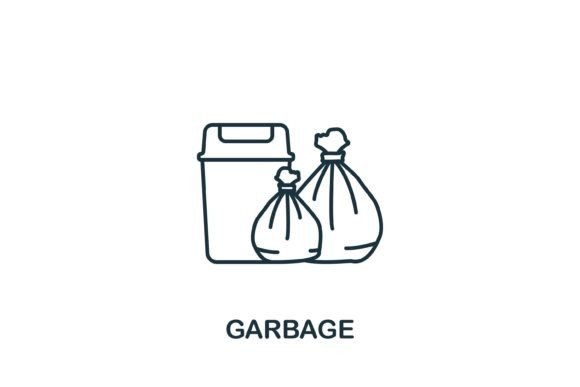
Garbage Icon has a clean, minimalist aesthetic. The design is straightforward—just a basic garbage bin shape with a lid. It doesn’t have any unnecessary details, which makes it easy to recognize at a glance. The simplicity of the design suggests it was created with practicality in mind rather than artistic flair. This makes it ideal for functional items like aprons, tote bags, or baby clothes where clarity is key.
The layout is balanced, and the lines are consistent. There’s no ambiguity in the form, which is great for embroidery. If you’re looking for something that can be easily stitched without confusion, this design fits the bill.
Garbage Icon in Real-Life Embroidery Projects
I tested Garbage Icon on a custom embroidered tote bag. The design worked well on cotton fabric, but I noticed that the edges were a bit too thin for my taste. If you're planning to use it on a small hoop, you might want to adjust the size slightly to avoid losing detail.
This design would be perfect for sweatshirt embroidery, especially for a craft business or Etsy seller looking to create a line of eco-friendly or themed apparel. It also works well as an embroidered patch for backpacks or jackets. The clean lines make it easy to stitch, and the lack of intricate details means it won’t get lost in dense stitch areas.
For baby items, Garbage Icon could be used on onesies or burp cloths. However, I’d recommend avoiding it on thin or stretchy fabrics, as the design might not hold up well during washing or wear. A stabilizer would help keep the design from puckering or distorting.
Where Garbage Icon Needs Careful Use
While Garbage Icon is versatile, there are some situations where it might not perform as well. On small hoop sizes, the design could become too tight, making it hard to stitch accurately. If you're working with textured fabrics, like denim or canvas, the lines might not show up as clearly as they would on smooth material.
On dark fabrics, the design may not stand out enough unless you use a contrasting thread color. For example, if you're stitching on black fabric, a white or light gray thread would make the design more visible. Similarly, on layered garments or curved surfaces like caps, the design might not sit flat, leading to a less professional look.
If you're planning to use Garbage Icon on a product that will be washed frequently, such as a kitchen towel or pillow cover, consider using a durable thread and proper stabilizer to ensure the design lasts.
Impact on Visual Appeal and Customer Perception
Garbage Icon adds a touch of practicality to any project. Its clean lines and simple form make it easy to incorporate into a variety of designs without overwhelming the overall look. When used correctly, it enhances the visual appeal of custom apparel, handmade products, or personalized gifts.
From a customer perspective, the design is instantly recognizable. People will understand its purpose without needing additional explanation. This makes it a great choice for commercial embroidery projects, especially for businesses that want to convey a specific message through their branding.
For small shop owners or Etsy sellers, Garbage Icon can add value to your product listings. It’s a subtle yet effective way to communicate functionality, whether it's for a kitchen accessory, a children's item, or a holiday gift.
Practical Embroidery Designer Notes
Before finalizing any project with Garbage Icon, I always recommend testing the design on scrap fabric. This helps you see how the lines look when stitched and whether the design needs adjustments. You should also check the stitch density to ensure it’s appropriate for the fabric you’re using.
When working with different thread colors, make sure the contrast is strong enough to make the design stand out. For dark fabrics, a lighter thread color will work best. For light fabrics, a darker thread might be more effective.
Confirm the hoop size needed for your machine. If the design is too large for your hoop, you may need to split it into sections. Also, pay attention to small details like corners and edges—these can sometimes get distorted during stitching.
Finally, review the licensing terms before selling finished products or digital files. Make sure you have the right to use Garbage Icon for both personal and commercial purposes.
Final Thoughts on Garbage Icon
Garbage Icon is a solid choice for designers looking for a simple, functional symbol that can be used across various embroidery projects. Its clean lines and minimal design make it adaptable to many applications, from custom apparel to handmade gifts.
While it’s not the most complex design, its simplicity is its strength. It’s easy to stitch, quick to produce, and effective for communicating a clear message. Whether you're an Etsy seller, a craft business owner, or a creative entrepreneur, Garbage Icon could be a useful addition to your design library.