Home Automation Icon Review
As an embroidery designer and product reviewer, I often find myself evaluating new designs for real-world use. The Home Automation Icon caught my attention as a simple line element symbol that could work across multiple design applications. But how does it hold up in actual embroidery projects? Let’s dive into what this icon offers and where it truly shines.
First Impressions: A Clean, Modern Symbol
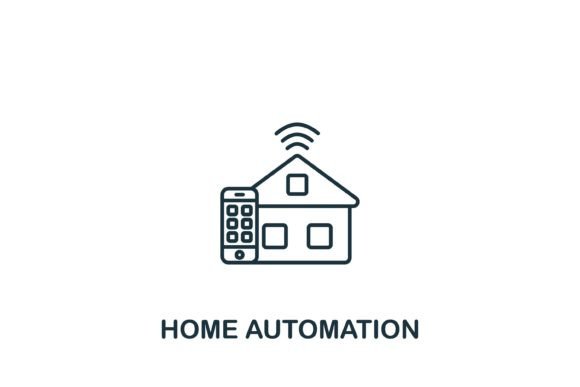
The Home Automation Icon is a minimalist line drawing that conveys a clear message. Its simplicity makes it versatile, but also means it relies heavily on the context in which it’s used. The shape is clean, with no unnecessary details—perfect for a logo or symbol that needs to be easily recognizable at a glance.
This design feels modern and tech-forward, which aligns well with themes like smart homes, digital interfaces, or contemporary branding. It doesn’t scream “home” in a traditional sense, but rather suggests something more abstract—like control, connectivity, or automation. That makes it ideal for tech-savvy clients or businesses looking to add a sleek touch to their products.
Real-World Embroidery Use Cases
When considering where the Home Automation Icon would fit best, I imagine it working well on custom apparel, especially for small businesses or Etsy sellers targeting a tech-oriented audience. A sweatshirt with this icon could be a great addition to a boutique line, or a tote bag design that appeals to professionals who value functionality and style.
It also has potential in baby items, like onesies or burp cloths, where a subtle, clean design can make a big difference. For holiday gifts or personalized products, this icon could serve as a decorative accent without overwhelming the overall look. It’s not too busy, so it works well as an embroidered patch or a small detail on a cap or apron.
One thing to note is that the icon’s simplicity means it might not stand out on its own in certain contexts. It works best when paired with other elements or as part of a larger design scheme. If used as a standalone emblem, it needs to be large enough to be clearly visible and stitched with care.
Where to Be Careful: Practical Considerations
While the Home Automation Icon is easy to edit and use, there are some situations where it may not perform as well. For instance, on small hoop sizes, the design might become too cramped, leading to poor stitch coverage or missed details. This is especially true if the design is scaled down for a tiny applique or a delicate fabric.
Textured fabrics, thin materials, or stretchy garments can also pose challenges. The icon’s lines may not show up as clearly, especially if the thread color doesn’t contrast well with the fabric. Dark fabrics might require a different approach, such as using white thread or adding a background fill to make the icon pop.
For commercial embroidery projects, it’s important to test the design on various surfaces before committing to a large batch. Curved areas like caps or sleeves can distort the icon’s shape, so careful placement is key. Also, if the design is going to be washed frequently, ensure that the stitching is secure and won’t fray over time.
Impact on Visual Appeal and Customer Perception
Embroidery is all about detail and craftsmanship, and the Home Automation Icon delivers in a way that feels professional yet understated. When properly executed, it adds a polished touch to any project, whether it’s a handmade product or a commercial item.
Customers often notice the quality of the design, and a well-stitched icon can increase the perceived value of a finished product. It also helps with brand consistency, especially if the icon is part of a larger visual identity. For Etsy sellers or craft business owners, this kind of design can make a significant difference in how their products are received.
From a buyer engagement perspective, the icon’s modern aesthetic can attract a specific demographic—those who appreciate clean, functional design. It’s also highly recognizable, which can help with giftability and name recognition, especially if used across multiple products or marketing materials.
Embroidery Designer Notes: Things to Keep in Mind
Before finalizing any project with the Home Automation Icon, I recommend testing it on scrap fabric first. This will help you understand how the design translates in real life, especially when it comes to stitch density and thread color contrast.
Check the hoop size needed for your machine and make sure the design isn’t too small or too large for the space available. If you’re working with a textured or stretchy fabric, consider using a stabilizer to keep the design from shifting during stitching.
Also, don’t forget to review the design in both black and white mockups. This will help you see how it looks on different backgrounds and ensure it remains legible. If you plan to use the icon for commercial purposes, confirm the licensing terms to avoid any legal issues down the line.
Ultimately, the Home Automation Icon is a solid choice for designers looking for a clean, modern symbol that can be adapted to a wide range of projects. Whether you’re creating custom apparel, personalized gifts, or digital design assets, this icon offers flexibility and practicality—two qualities that are essential for any successful embroidery project.