Consumer Activism Icon: A Modern Graphic Design Asset for Impactful Content
As a seasoned blog designer and digital publisher, I’m always on the lookout for design assets that not only look great but also elevate the message of the content they accompany. The Consumer Activism Icon is one such asset that caught my attention with its clean, bold symbolism and adaptability across different platforms. Whether you're crafting website headers, designing editorial layouts, or building social media graphics, this icon offers a compelling visual cue to represent themes of advocacy, awareness, and empowerment.
A Strong First Impression: Visual Mood and Editorial Tone
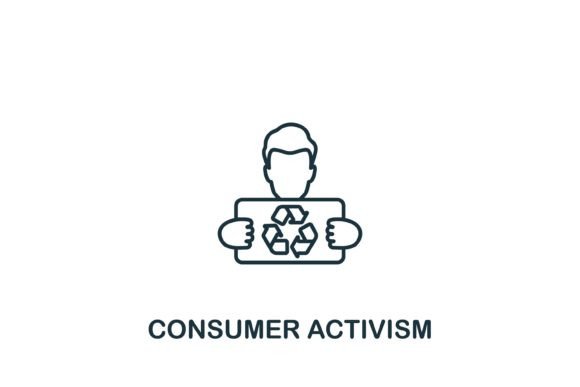
The Consumer Activism Icon makes an immediate impact with its minimalist yet assertive design. It’s a protest symbol reimagined in a way that feels fresh and relevant to today's digital landscape. The line-style vector approach gives it a modern, uncluttered feel—perfect for content niches focused on social change, ethical consumerism, sustainability, and civic engagement.
This icon doesn’t scream; it communicates with clarity and purpose. Its aesthetic is professional enough for lifestyle blogs discussing responsible consumption but also versatile enough to work in educational resources or digital guides about consumer rights. The tone is serious without being heavy, making it ideal for publishers who want to maintain a balance between informative and visually engaging content.
Supporting Niche Relevance
If your content revolves around topics like:
- ethical shopping practices,
- consumer activism movements,
- sustainable living,
- corporate responsibility, or
- advocacy campaigns,
then the Consumer Activism Icon could be a powerful addition to your visual toolkit. It naturally supports these themes by reinforcing the message through imagery. Readers will immediately associate the graphic with action, awareness, and accountability—key elements in any content marketing strategy aimed at conscious consumers.
Real-World Applications in Publishing Workflows
One of the most appealing aspects of this icon is its flexibility within real publishing workflows. Here are several ways I’ve tested and integrated it into various projects:
Pinterest Pins and Social Media Graphics
The Consumer Activism Icon shines in Pinterest pin designs and social media visuals. Its simplicity allows it to stand out even when placed beside dense text blocks, which is crucial for driving click-through rates. When paired with bold headlines like “Why Consumer Choices Matter” or “How to Be a More Ethical Shopper,” the icon adds a layer of meaning that helps your pins get noticed and shared.
Blog Featured Images and Website Headers
In featured images and website headers, this icon can act as a visual anchor. It works especially well when used alongside high-quality photography or background textures related to community action, product transparency, or environmental stewardship. The presence of the icon subtly shifts the reader’s perception from casual browsing to intentional engagement—ideal for affiliate marketers or bloggers aiming to drive conversions on purpose-driven content.
Editorial Layouts and Newsletter Banners
I've found that integrating the Consumer Activivism Icon into newsletter banners and editorial page headers enhances brand identity and visual hierarchy. In newsletters promoting digital guides or downloadable printables, the icon helps establish credibility and thematic consistency. It acts as a quiet call-to-action, signaling that the content is about informed decisions and impactful choices.
Lead Magnets and Digital Guides
For lead magnets like worksheets, checklists, or eBook covers, the icon serves as a strong visual identifier. When creating a digital download titled “The Ultimate Guide to Consumer Advocacy,” placing the icon in the corner or center of the cover immediately signals the topic’s focus. This improves recognition and trust—especially for small business branding or educational content creators who rely on visual cues to attract their audience.
Canva Templates and Creative Marketplaces
Given that the package includes EPS, JPG, AI, and SVG files, the Consumer Activism Icon is a must-have for Canva template designers and those selling assets in creative marketplaces. These file types allow for both scalable use and quick integration into existing design systems. As a result, whether you’re building templates for others or using them yourself, you’ll benefit from a commercial design that maintains quality across all resolutions.
Boosting Content Performance Through Visual Strategy
Effective content marketing isn’t just about words—it’s about how those words are framed visually. Here’s how the Consumer Activism Icon can support performance metrics across your site:
- Stronger first impression: The icon’s distinct shape and messaging create a sense of urgency and relevance right from the start.
- Clearer visual hierarchy: By placing it strategically near key headlines or calls to action, you guide the viewer’s eye toward important information.
- Better click-through potential: On platforms like Pinterest or Facebook, where thumbnails reign supreme, the icon adds visual interest that encourages clicks.
- More consistent branding: Use it across your site and social profiles to build a cohesive brand identity around consumer empowerment.
- Improved reader trust: Visuals that align with your content’s mission help establish authenticity and authority.
- Better category recognition: If you have a section dedicated to ethical consumerism or social justice, this icon can become your go-to visual marker.
- Stronger visual identity: The symbol reinforces your message, helping your content stand apart from generic, mass-produced blog graphics.
- Professional-looking content pages: Even if your overall design is simple, the inclusion of this icon elevates the perceived value of your content.
Enhancing Click-Worthy Content Pages
When used in content upgrades or downloadable resources, the Consumer Activism Icon can make your offerings appear more polished and valuable. For instance, adding it to a worksheet titled “5 Ways to Support Fair Trade Brands” gives the resource a sense of purpose and professionalism that readers notice before they even read the title.
Where This Icon Works Best
Here are some of the top areas where the Consumer Activism Icon can enhance your visual communication:
- Hero images: Place it subtly in the corner to add depth without overwhelming the main message.
- Article thumbnails: It pairs well with muted tones and clear typography to draw attention to thoughtful reads.
- Pinterest pins: Use it to highlight the theme of your post and improve search visibility.
- Blog graphics: Incorporate it into infographics or article headers to emphasize key points.
- Editorial accents: Drop it next to pull quotes or subheadings to reinforce important ideas.
- Content upgrades: Feature it on lead magnet thumbnails or landing pages to signal value and relevance.
- Downloadable resources: Add it to PDFs, worksheets, or digital guides for a professional finish.
- Newsletter headers: Use it to frame a themed issue or section for better visual storytelling.
- Social media previews: It fits seamlessly into Instagram carousels or LinkedIn posts focused on advocacy and ethics.
Use It Carefully in These Scenarios
While the Consumer Activism Icon is a powerful tool, there are situations where it might not fit:
- Small mobile thumbnails: The details may get lost at lower resolutions. Test it in preview sizes to ensure legibility.
- Text-heavy blog images: Too many icons can distract from the message. Keep it minimal and purposeful.
- Low-contrast backgrounds: Make sure it stands out against your chosen color scheme—especially in web design where accessibility matters.
- BUSY layouts: Avoid using multiple instances of the same icon in one graphic unless you’re intentionally creating a motif.
- SERIOUS professional niches: While it’s adaptable, the icon may not suit highly formal corporate environments unless styled accordingly.
- CORPORATE content: If your brand requires a very minimal visual system, consider whether the icon aligns with your overall design language.
Best Practices for Real Publishing Use
To ensure the Consumer Activism Icon performs optimally in your design assets, follow these practical tips:
- Test on desktop and mobile: Check how it looks at different screen sizes and zoom levels.
- Check thumbnail visibility: Ensure it remains recognizable when scaled down for previews or archives.
- Preview in a real blog layout: See how it interacts with your site’s fonts, colors, and spacing before finalizing.
- Test with headline text: Try pairing it with various font styles—serif, sans serif, script, handwritten, and display—to see what works best for readability and mood.
- Review contrast and readability: Don’t place it over distracting patterns or low-contrast surfaces without testing for legibility.
- Try black and white versions: Many platforms convert images to grayscale. Confirm the icon still conveys its message clearly in monochrome.
- Optimize file size: Use compressed image formats for web performance, particularly in website banners or social media posts.
- Confirm commercial licensing: Before using it on monetized websites, affiliate pages, or paid content products, verify that the license supports such usage.
Final Thoughts for Creative Publishers
The Consumer Activism Icon is more than just a graphic design asset—it’s a visual statement that aligns with modern design trends while supporting meaningful content. As someone who regularly works with blog graphics and editorial design, I appreciate how it bridges the gap between aesthetics and intention. It’s not just decorative; it adds context and clarity to your message.
Whether you're looking to improve your website header visuals, craft compelling Pinterest pins, or develop a series of digital downloads with strong visual identity, this icon has the potential to enhance your content publishing efforts significantly. Just remember to test it thoroughly and apply it thoughtfully to maintain the integrity of your brand and the effectiveness of your visual storytelling.